-
 In Wyoming's Beartooth Mountains, scientists are studying ice that has survived for thousands of years — and what could help some patches persist as the climate warms.
 -
 States across the Mountain West and the nation broke records this summer. Experts say favors like a strengthening El Niño and climate change are to blame.
 -
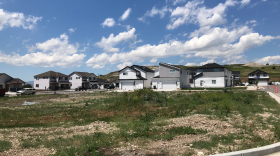 In 2025, nearly 1 in 20 Utah homeowners policies were not renewed by insurance providers. That's the highest in the country, and well over double Utah's rate from 2024.
 -
 The faster a fire burns, the more severe its ecological impacts, according to new research. The paper's lead author says climate change only promises to further accelerate those fires.
 -
 That number goes as high as two-thirds for some regions. Climate change is also making heatwaves more frequent and intense, compounding on the problem.
 -
 Where a tree grows affects how forests burn and soak up water, and mountain trees are currently moving to both higher and lower ground. Scientists say something inside the trees may explain why.
 -
 Winged Bullets of Beauty: Their agility is beyond imagination, capturing their prey with a gaping maw while flying at maximum speed, winged bullets ripping through the air.
 -
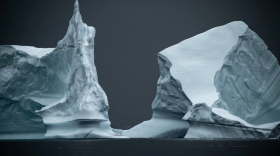 A Utah State University laboratory helped uncover the age of an ancient, ice-free Greenland landscape. The research is now featured in an Emmy Award-winning documentary.
 -
 Our hosts discuss the importance of the Great Salt Lake, the danger posed by its disappearance, and how water conservation can protect Utahns' health, environment, and economy.
 -
 In his book "Three Revolutions: Steering Automated, Shared, and Electric Vehicles to a Better Future," Dan Sperling says transportation is on the cusp of revolutionary change.

© 2026 Utah Public Radio

Play Live Radio
Next Up:
0:00
0:00
Available On Air Stations


