

Richard (Dick) Hurren
Dick Hurren was our first Wild About Utah voice. Through his work, his recorded voice could be heard in English, German and Russian. A generous and knowledgeable guide, he lead fieldtrips for many years through Bridgerland Audubon and Stokes Nature Center. His tenure as a reader with Wild About Utah was short but his deep voice remains well recognized.
https://www.legacy.com/us/obituaries/hjnews/name/henry-hurren-obituary?id=26303603
-
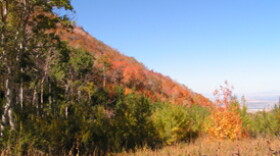 Autumn Colors: The brilliant colors of our trees are indicative of leafy plants frugality with their valuable nutrient stores.
 -
 Moose in Utah: The first Moose in Utah were seen about 100 years ago, and the total population may have been less than 100 animals as late as the 1950s.
 -
 Mobbing: When a predator ventures into a location, they may be detected by a resident bird. That sentinel starts mobbing calls and is soon joined by other birds who will join in harassing that predator vocally
 -
 Knowing they are protected: I knew a man who referred to black and white Magpies as "Holstein Pheasants." He said, "You can shoot pheasants, can't you?"
 -
 A moment to think about our state bird: Utah's state bird is is commemorated as the seagull, more accurately the the California Gull.
 -

-
 The Occupants on Robin Street: Shopping centers and housing developments are named for things that used to be. One place is named for its current occupants.
 -
 Have you been awakened by the sound of the Northern Flicker? It is a large, ant-eating woodpecker found in open woodlands, savannas, and forest edges throughout North America.


