-
 Wyoming, Idaho, Nevada, and Montana have been slow to fund electric vehicle chargers with federal dollars. Other states like Colorado have already funded dozens, if not hundreds, of ports.
 -
 In other news, Ammon Bundy, known for an anti-government standoff in Oregon, was arrested during a traffic stop in southern Utah. And, state officials approved almost a dozen boater access projects.
 -
 The third-party projects would've included environmental and cultural resource work, like digitizing museum collections in Zion National Park. Over 130 projects lost funding across the country.
 -
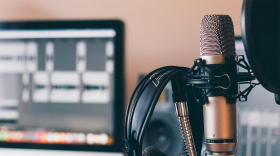 One year ago, the Corporation for Public Broadcasting was eliminating and radio stations across the country lost funding. We talk with station managers about the past year.
 -
 A coalition of chambers of commerce, including four from Utah, sent a letter to congress asking the federal government to send new money for water-saving work.
 -
In other news, thousands of Utah families could lose some or all childcare subsidies. And, Gov. Spencer Cox declared Thursday as Charlie Kirk Day a year after the deadly shooting.
-
 Lawmakers failed to renew the Legacy Restoration Fund last year, but are now pushing to reauthorize it for the country's 250th birthday. It would support hundreds of projects, including in Utah.
 -
 The Land and Water Conservation Fund is over 60 years old and receives about $900 million each year. However, not all Indigenous tribes know they can take part, or how to navigate applying.
 -
 The funds, part of the Low Income Housing Energy Assistance Program, were earmarked to help people pay air conditioning this summer, which is anticipated to have extreme heat.
 -
 A report from the Brookings Institution found work requirements only led to reduced participation in the program. From July 2025 to January 2026, SNAP participation in Utah dropped almost 10%.

© 2026 Utah Public Radio

Play Live Radio
Next Up:
0:00
0:00
Available On Air Stations


