-
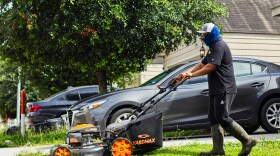 Utah State University turfgrass specialist Paul Johnson says brown patches on lawns are perfectly healthy in the summer.
 -
 When taken care of correctly, turf grass dormancy can contribute to water conservation efforts in the state.
 -
 More water might not be the solution for a browning lawn. Kelly Kopp shares information about how to change watering habits to grow a drought-resistant lawn.
 -
 Many Utahns are worried that the water restrictions will put their lawns and trees at risk. Taun Beddes says they might not need as much water as we think they do.
 -
 As the snow melts and temperatures start warming across Utah, you may be starting to think about your lawn again. Early spring, however, is a time of year when a little patience can go a long way.
 -
 With the weather being particularly unpredictable this winter, homeowners and people with grass should be aware of winterkill and how their grass may be affected.
 -
 Evergreens are still using moisture during the wintertime. If the winter is extremely dry, consequences may show up in the spring.
 -
 Where there's snow, there's usually ice, and where there's ice, there's salt. That salt, while great for keeping us upright on sidewalks, can be rough on our lawns.
 -
 Turfgrass specialist Kelly Kopp says fertilizing your lawn before winter hits can make grass plants look and grow better the next year.
 -
 Your lawn may be showing stress due to the summer heat. USU Extension's Water and Turfgrass specialist Kelly Kopp explains that recovery is just around the corner with the cool temperatures of fall.

© 2026 Utah Public Radio

Play Live Radio
Next Up:
0:00
0:00
Available On Air Stations


