-
 Some worry the proposal would put states in continual negotiations, which historically have been unproductive. However, it could be a step towards a longer-term plan.
 -
 Southern Utah Tribune reporters Mark Eddington and Brooke Larsen joined UPR for a live broadcast in St. George. They talk about the top stories in southern Utah, including the Colorado River.
 -
 Lake Powell, the upper Colorado River basin's largest reservoir, is projected to have its lowest summer inflow in its history this summer. Federal agencies have taken emergency measures to prop it up.
 -
 The seven Western states have only five months until the current agreements expire. A warm winter with low snowpack has also made water supply forecasts more dire.
 -
 Widespread drought and fears of a power crisis forced the Interior Department to start sending billions of gallons of water from Flaming Gorge Reservoir in Colorado downstream to prop up Lake Powell.
 -
 Just 1.4 million acre feet of Colorado River water is expected to reach Lake Powell through July. That's less than a quarter of what's considered normal.
 -
 One of the lesser-known natural, and underappreciated, areas in our state is found 32 miles south of Vernal in eastern Utah: the Ouray National Wildlife Refuge.
 -
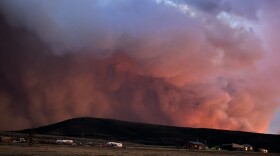 A new report found those disasters were also closely connected, with drought and low snowpack creating ideal conditions for large wildfires.
 -
 As states continue to disagree over how to manage the water that is — and isn't — available, environmental groups warn of the consequences of not taking action or letting it go to court.
 -
 Negotiators are approaching a Feb. 14 deadline to make an agreement on how to manage the dwindling waterway. Friday's meeting didn't complete that goal, but governors called the gathering productive.

© 2026 Utah Public Radio

Play Live Radio
Next Up:
0:00
0:00
Available On Air Stations


