-
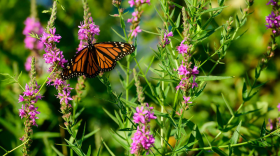 The iconic insects arrive in Utah every summer, but since the 1990s, their populations have declined by 80%. The Trump administration delayed a final decision on protecting them.
-
 The poll, conducted by the National Parks Conservation Association, comes amid a federal overhaul to conservation that focuses instead on economic considerations like energy.
-
 Federal wildlife officials downlisted the razorback sucker from "endangered" to "threatened," saying populations had bounced back. Environmentalists argue those populations aren't yet self-sustaining.
-
 The pygmy rabbit is small enough to fit in the palm of your hand. Conservationists say federal wildlife officials are years behind on deciding whether to grant protections for the species.
-
 A female grizzly was previously relocated to Wyoming to improve genetic connectivity — a factor that has prevented Western states from taking grizzlies off the Endangered Species Act.
-
 The new ruling could be a setback for the Trump administration's attempts to loosen habitat protections. However, a federal committee has also voted to exempt Gulf of Mexico drilling from the act.
-
 New regulations on the currently-endangered species were supposed to be finalized by Jan. 31. However, the Trump administration has delayed that until December, citing staffing issues.
-
 Due to the level of difficulty surrounding land permits, the U.S. Fish and Wildlife Service has opened the Endangered Species Act to suggestions on how to better streamline these permits.
-
 It would still be illegal to harm Mountain West species, such as jumping mice, migratory birds and desert tortoises, but their habitats may no longer be federally protected.
-
 A recent petition seeks to have the migratory Great Salt Lake bird, Wilson's Phalarope listed as threatened under the Endangered Species Act.

© 2026 Utah Public Radio

Play Live Radio
Next Up:
0:00
0:00
Available On Air Stations


