-
 Every year, female elk are dying in spring — the season when conditions should be working in their favor. Finding out why could answer broader questions about wildlife health across the West.
 -
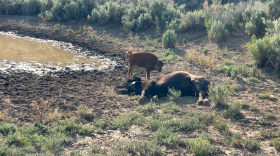 Bison are hardy, long lived megafauna, so biologists were shocked when 40% of a herd in Utah's Book Cliffs died in just six days. Testing revealed the culprit, but some big questions still remain.
 -
 A few top-notch steps toward bird-friendly living include the prevention of light-trespass and skyglow, especially from 11 p.m. to 6 a.m., March-May, and August-October.
 -
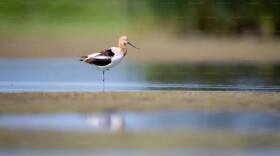 A Cornell science journalism fellow traces the Great Salt Lake’s decline through shorebirds, whose populations are falling as vital migration habitat disappears.
 -
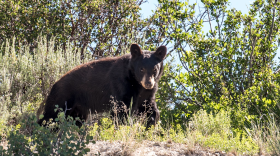 Last week, state officials received reports of a black bear wandering through a northern Utah town. By the time they caught it, they decided it should be euthanized.
 -
 A poor snow year has led to low water levels for rivers in the West, while hot weather pushes water temperatures up. That's bad news for both fish and river recreators.
 -
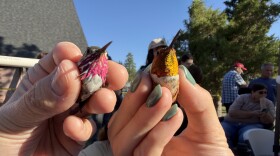 Researchers from Canada to Mexico are banding fast-flying hummingbirds to learn more about these dazzling daredevils as they make their way through Utah.
 -
 Falconry is an ancient sport going back thousands of years. In Shakespeare’s time, it was a way of putting food on the dinner table.
 -
 Federal wildlife officials downlisted the razorback sucker from "endangered" to "threatened," saying populations had bounced back. Environmentalists argue those populations aren't yet self-sustaining.
 -
 In a new study, animals were less likely to flee near popular trails compared to more remote parts of the forest. Researchers are considering several possible explanations for why.

© 2026 Utah Public Radio

Play Live Radio
Next Up:
0:00
0:00
Available On Air Stations


