


Ryan Helcoski
Science ReporterRyan Helcoski is pursuing his Ph.D. at Utah State University where he works with an international team studying the ecological impacts of terrestrial megacarcasses in South Africa. At UPR, he primarily reports on discoveries and ongoing research in the life and earth sciences.
-
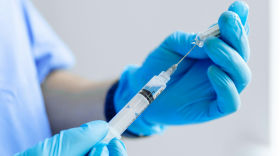 Warm weather helped slow Utah's outbreak, which had become the epicenter of outbreaks in the U.S. But the Utah State Epidemiologist still takes issue with even a single case in the state.
 -
 Red light therapy uses specific wavelengths of red or near-infrared light in an attempt to change how cells function. But has the consumer market grown faster than the scientific evidence?
 -
 The finding could eventually help researchers develop new approaches to slow the progression of the disease.
 -
 A Utah State University laboratory helped uncover the age of an ancient, ice-free Greenland landscape. The research is now featured in an Emmy Award-winning documentary.
 -
 A team at Utah State University has documented how metal-laden dust from the Great Salt Lake makes its way into human bodies through accidental ingestion.
 -
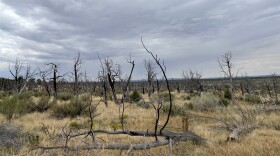 A recent study from University of Utah scientists and other experts found that carbon markets aren't accounting for the increased the risk of fire, drought, and insect damage from climate change.
 -
 Carbon dioxide emissions didn't have as sharp a decline in Utah's capital. However, they also didn't significantly increase, even as the city's population and development grew.
 -
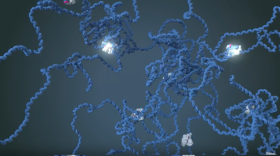 Utah State University scientists recently unveiled a new type of CRISPR biotechnology with the ability to selectively target and shred the DNA of cancerous cells.
 -
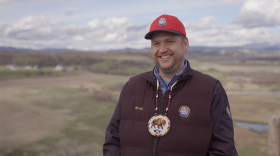 On May 16th, Brad Parry became the inaugural winner of Schnitzer Prize of the West for his ongoing restoration work at the Bear River Massacre Site.
 -
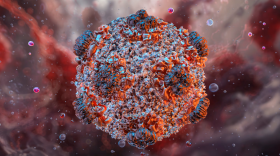 Since May 2nd, the CDC has been monitoring a deadly hantavirus outbreak on a cruise ship in the Atlantic Ocean. Among those in quarantine are 3 Uthans, and though the risk to the exposed individuals is severe, the threat of a greater spread is low.


