-
 We're joined by three USU professors who have recently published a report in the journal Sustainability and Climate Change titled, "The Utah 2034 Winter Olympics: Leaving a Lasting Clean Air Legacy."
 -
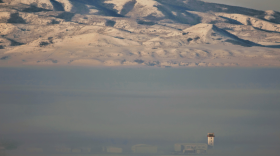 Utah is hosting the 2034 Winter Olympics, but three Utah State University professors say our air quality isn't up for the task.
 -
 Scientists are flying research missions over northern Utah to better understand how ozone forms and how a shrinking Great Salt Lake, wildfire smoke, and other factors affect the state's air quality.
 -
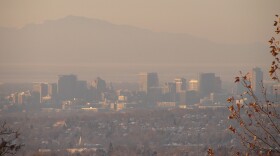 Moderate PM2.5 and ozone levels considered healthy in isolation pose greater risk to pregnant parents and fetuses when they coincide, new research shows.
 -
 Extreme heat accelerates chemical reactions that produce harmful ozone, which is especially a problem for major metro areas. Wildfires also create particulate matter that can impact health.
 -
 Los Angeles and smog have been synonymous for decades. But the last smog alert happened in 2003, and lead has virtually disappeared from the air.
 -
 A new Utah rule intended to protect the environment from unplugged oil wells would impose higher restrictions on companies with higher risk profiles.
 -
 Hot, dry, and windy days have become more common across the West since 1973. The fire season is also becoming longer and more intense, and can bring other issues like unhealthy air quality.
 -
 Utah's capital is one of several Mountain West cities with high ozone pollution, commonly known as smog. Higher temperatures, wildfires, and geography can all make pollution worse.
 -
 The Environmental Protection Agency was supposed to identify areas that don't meet updated pollution standards. A coalition of environmental groups is suing over the missed deadline.

© 2026 Utah Public Radio

Play Live Radio
Next Up:
0:00
0:00
Available On Air Stations


