-
 In other news, Utah Sen. John Curtis opposes President Trump's sudden deal to buy diesel from Russia. And, some ski resorts got their first snow this weekend ahead of next month's season opener.
 -
 Predators like wolves have an advantage over deer and elk in deep snow. Understanding how different predators navigate snow can inform conservation and management.
 -
In other news, dog sled races have been cancelled in the West because of a lack of snow — but in Utah, one company decided to buck the trend and host their own.
-
In other news, Utah's bell-to-bell phone ban will likely go into effect next school year. And, snowplows in northern Utah are getting new tech to navigate traffic faster.
-
 Salt Lake Tribune reporters Leia Larsen and Robert Gehrke join host UPR’s Tom Williams to talk about the week’s top stories, including Utah snowpack hitting the worst levels on record, and more.
 -
 Many resorts have partnered with groups to create innovative programs that restore public lands surrounding resorts making a positive impact on the natural world by conserving and dedicating areas for wildlife and conservation.
 -
 Parents may warn their children not to eat the yellow snow, but there are other things in snow you might want to avoid, like contaminants from tailpipes.
 -
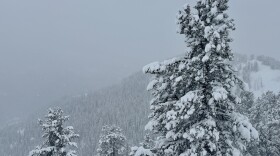 Each snowflake individually seems insignificant, but together, relentless by the millions, snow crystals pile up. They cover the ground, flock the trees, and settle into the gaps of my jacket. Their strength is in their numbers and their ability to bond with each other.
 -
 Only 11% of ski trails in western states were open by the end of November, which has also hurt early bookings as guests adopt a "wait and see" attitude.
 -
 Where there's snow, there's usually ice, and where there's ice, there's salt. That salt, while great for keeping us upright on sidewalks, can be rough on our lawns.

© 2026 Utah Public Radio

Play Live Radio
Next Up:
0:00
0:00
Available On Air Stations


