

-
 LOC's Public Domain ArchiveUtah State University's Blanding campus is teaming up with San Juan County to rebuild roads in the Navajo Nation once flooding conditions cease.
-
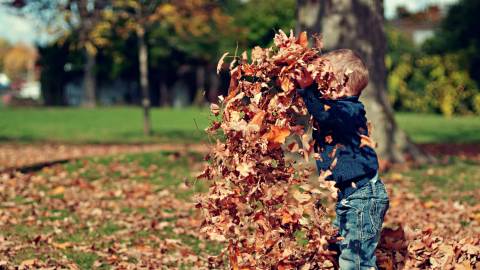 Scott Webb/UnsplashLeaving leaves where they fall — or at least mulching them with a lawnmower — can improve the health of plants and reduce weeds. They're also a vital habitat for important pollinators.


-
 Atrazine contamination is most widespread in the Midwest, but extends into Colorado and New Mexico. Environmental and public health groups want water quality protections for the weedkiller.
-
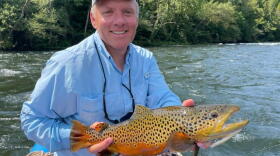 Keith Gido researches freshwater fish communities and how environmental changes reshape aquatic ecosystems. He says dams can make it more difficult for native fish to survive drought.
-
 Two years after her death, the world-famous grizzly bear's legacy endures. At the same time, federal protections for the species are on their way out the door.
-
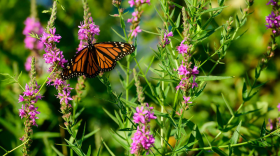 The iconic insects arrive in Utah every summer, but since the 1990s, their populations have declined by 80%. The Trump administration delayed a final decision on protecting them.
-
 Gemsbok were first brought to New Mexico in the 1960s. They could spread to other states as the climate warms, putting more pressure on native species.
-
 In a campaign rematch, Logan Mayor Mark Anderson supports a scaled-back approach to the Logan River Watershed Project, while challenger Alanna Nafziger wants the district to abandon it.
-
 Researchers found only a small portion of rivers may be able to sustain freshwater biodiversity as the climate warms. The headwaters of the Colorado River system is among the more resilient areas.
-
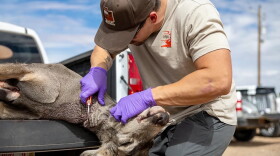 Experts say the disease is on the rise in Utah. Hunters and recreationists can play a crucial role in helping biologists track — and possibly limit — the spread this fall.
-
 New satellite observations show that some global river models struggle to account for dams, reservoirs, and other human influences, raising questions about their reliability for water planning.
-
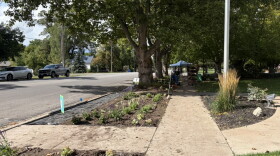 Conservation groups collaborate with Hyde Park and Cache Valley to promote water saving landscape while Utah's climate dries.


