

Isabelle Burky
Science Reporter-
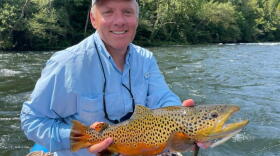 Keith Gido researches freshwater fish communities and how environmental changes reshape aquatic ecosystems. He says dams can make it more difficult for native fish to survive drought.
 -
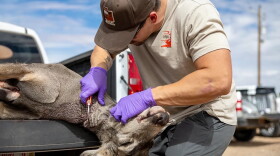 Experts say the disease is on the rise in Utah. Hunters and recreationists can play a crucial role in helping biologists track — and possibly limit — the spread this fall.
 -
 The John Wesley Powell National Conservation Area, or Greater Dinosaur, is part of our public lands. Conservation groups are rallying to protect it in the face of changing federal regulations.
 -
 Antelope Island is opening a new visitor and learning center to accommodate learners of all ages. You can visit the grand opening Friday.
 -
 Cache County voters will head to the polls this fall to choose who will serve on the County Council. UPR spoke to the candidates competing for the council's third Logan seat.
 -
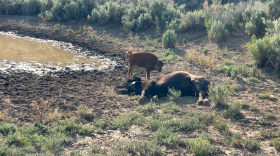 Bison are hardy, long lived megafauna, so biologists were shocked when 40% of a herd in Utah's Book Cliffs died in just six days. Testing revealed the culprit, but some big questions still remain.
 -
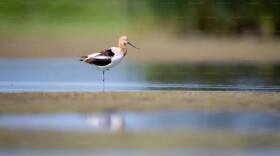 A Cornell science journalism fellow traces the Great Salt Lake’s decline through shorebirds, whose populations are falling as vital migration habitat disappears.
 -
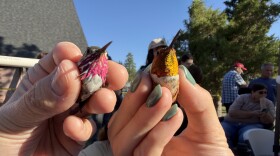 Researchers from Canada to Mexico are banding fast-flying hummingbirds to learn more about these dazzling daredevils as they make their way through Utah.
 -
 Bison may appear calm, but Antelope Island wildlife officials say they're powerful, unpredictable animals. Here's how to safely enjoy Utah's iconic bison while giving them the space they need.
 -
 Bear Lake's beauty attracts thousands each summer. But changing weather, cold water, and a lack of life jackets can quickly turn a day on the lake into an emergency.


