-
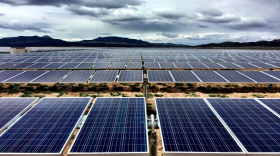 The new federal regulations require farmers to document a year of energy savings before applying for funding. Critics worry it will make the program less accessible to especially smaller operations.
 -
 Geothermal could offer more renewable energy to the West, including data centers. However, most new geothermal technologies need water to produce that power, which could compound existing challenges.
 -
 Carbon intensity shows how much carbon dioxide is released as a state generates electricity. Rankings vary across the Mountain West, from Wyoming ranking third to Idaho ranking 46th.
 -
 Republican Celeste Maloy and Democrat Kent Udell also offered competing approaches to energy, water, and wildfire management.
 -
 A New Mexico lawmaker wants an inquiry into the site's long-term usage, saying it could consume enough water to supply 30,000 homes. The project has already been put on hold after criticisms.
 -
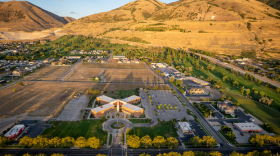 City leaders voted unanimously for a plan to develop a nuclear training and research campus on their USU campus. It marks an early step in bringing a nuclear energy industrial revolution to Utah.
 -
 The Trump administration argued financial factors outweighed a slew of environmental and other harms posed by the nearly 12,000-acre expansion.
 -
 Utah high school students are organizing with the Sierra Club to get clean energy into the Salt Lake City School District.
 -
 A new generation of small nuclear reactors is poised to come online in the next few years. Safety experts worry the Trump administration has chosen speed over safety.
 -
 Oil access and prices have become more fraught since the start of the Iran War. National security and conservation experts argued the U.S. should turn to renewable sources instead.

© 2026 Utah Public Radio

Play Live Radio
Next Up:
0:00
0:00
Available On Air Stations


