-
 What happens when you take a 60-year-old American muscle car and replace its gas-powered engine with an electric motor? The result is a car that looks and feels like a classic, but drives like something from the future. This week, we take a ride in a newly electrified piece of automotive history and explore what it tells us about the future of transportation.
-
 Oil, gas, and coal are rebounding under the Trump administration, which has deregulated the fossil fuel industry while creating barriers for renewables.
-
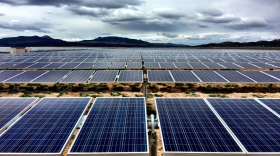 The new federal regulations require farmers to document a year of energy savings before applying for funding. Critics worry it will make the program less accessible to especially smaller operations.
-
 Geothermal could offer more renewable energy to the West, including data centers. However, most new geothermal technologies need water to produce that power, which could compound existing challenges.
-
 Carbon intensity shows how much carbon dioxide is released as a state generates electricity. Rankings vary across the Mountain West, from Wyoming ranking third to Idaho ranking 46th.
-
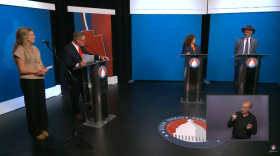 Republican Celeste Maloy and Democrat Kent Udell also offered competing approaches to energy, water, and wildfire management.
-
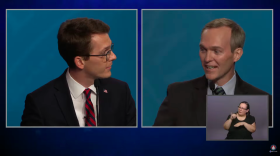 First Congressional District candidates Riley Owen and Ben McAdams found common ground on tariffs and immigration, but split on Medicaid, Social Security, and the role of government.
-
 Oil access and prices have become more fraught since the start of the Iran War. National security and conservation experts argued the U.S. should turn to renewable sources instead.
-
 One of the biggest concerns with solar is a loss of farmland. However, new research found that solar uses half a percent or less of prime farmland in each state.
-
 For the first time, solar power generated more electricity than coal during a full calendar month — a milestone that underscores how quickly the nation's power system is changing.

© 2026 Utah Public Radio

Play Live Radio
Next Up:
0:00
0:00
Available On Air Stations


