-
 Moderate PM2.5 and ozone levels considered healthy in isolation pose greater risk to pregnant parents and fetuses when they coincide, new research shows.
 -
 Extreme heat accelerates chemical reactions that produce harmful ozone, which is especially a problem for major metro areas. Wildfires also create particulate matter that can impact health.
 -
 Los Angeles and smog have been synonymous for decades. But the last smog alert happened in 2003, and lead has virtually disappeared from the air.
 -
 A new Utah rule intended to protect the environment from unplugged oil wells would impose higher restrictions on companies with higher risk profiles.
 -
 Carbon dioxide emissions didn't have as sharp a decline in Utah's capital. However, they also didn't significantly increase, even as the city's population and development grew.
 -
 Residents can use the tool to see the emissions and health risks of refineries near them, including in Utah. Policymakers and regulators could also use it to identify pollution hotspots.
 -
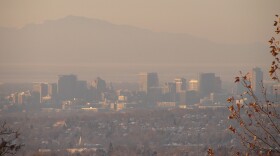
 Utah's capital is one of several Mountain West cities with high ozone pollution, commonly known as smog. Higher temperatures, wildfires, and geography can all make pollution worse.
 -
 The Environmental Protection Agency was supposed to identify areas that don't meet updated pollution standards. A coalition of environmental groups is suing over the missed deadline.
 -
 Utah has one of the highest rates of suicide in the nation. It turns out heat and pollution may be playing a bigger role than previously assumed.
 -
 Co-founder Ed Stafford speaks about a high school clean air contest with more than a thousand Utah and southern Idaho student participants.

© 2026 Utah Public Radio

Play Live Radio
Next Up:
0:00
0:00
Available On Air Stations


