-
 The day of remembrance honors those who were taken from their families and sent to boarding schools. Children were often cut off from their Native cultures, and many experienced abuse and neglect.
-
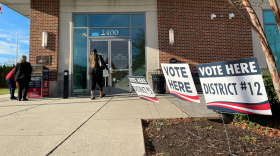 The Native American Rights Fund found disparities in voter registration, mail-in ballots, and other stages of voting in Native communities, even 60 years after the Voting Rights Act.
-
 The Hualapai Tribe said hyperscale data centers threaten its sacred water, lands, environment, and way of life. Some of its neighbors are similarly worried about development.
-
 The unanimously passed measure formally documents what Navajos already know — the spiritual and natural significance of where two life-giving rivers converge in northern Arizona's high desert.
-
 Dozens of federally recognized tribes have legal and cultural claims on the Colorado River. Yet those tribes are often left out of negotiations and struggle to access water they're entitled to.
-
 Indigenous communities face disproportionately high rates of drug overdose deaths. A clinical trial found that using cultural traditions alongside evidence-based interventions can help.
-
 Proponents say changes to the National Historic Preservation Act will streamline regulations. Critics argue it weakens the law by reducing the role of tribes and local governments.
-
 Upper Basin states like Utah worry water could get leased to cities downstream. Tribe members say they want to access a resource that is rightfully theirs.
-
 The Land and Water Conservation Fund is over 60 years old and receives about $900 million each year. However, not all Indigenous tribes know they can take part, or how to navigate applying.
-
 A federal campaign on pregnancy is expanding its outreach to Indigenous communities. That includes videos sharing personal stories and warning signs for pregnancy-related health concerns.

© 2026 Utah Public Radio

Play Live Radio
Next Up:
0:00
0:00
Available On Air Stations


