-
 National Geographic says that tree canopy ecologist Nalini Nadkarni "has spent four decades dangling among the branches to study how forests inform our daily lives.”
 -
 So, my friends, we might take courage from the Wood Duck, ruffle our feathers, and leap! Not expecting to fly right away, but realizing that the fall can be every bit as majestic.
 -
 Pinyon-juniper woodlands are a common sight in much of Utah. But pinyon trees are declining, while junipers are expanding. The reason why comes down to water.
 -
 James Bacchus says the path to global sustainable development is participatory democratic global governance — the only truly effective path to confronting military conflict, climate change, and more.
 -
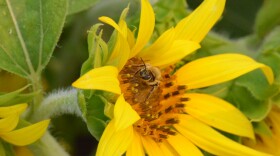 Wild bees across the west face a growing threat from microscopic parasites. Last week an Oregon researcher visited USU’s Ecology Center to discuss her findings.
 -
 Africa baobabs are distinctive, long-lived trees with essential ecosystem roles. However, their populations are in decline due to increasing herbivore populations.
 -
 Despite their branding as pests, termites have an astounding impact on ecology. However, their contribution to ecosystem resilience is still being explored.
 -
 On this episode, we revisit our conversation with Robin Patten about her book "The Mountain: Journeys in High Places."
 -
 Phragmites is an invasive grass threatening wetlands across the continent. Utah ecologists are mapping its spread to help land managers control its growth.
 -
 It turns out those pesky mosquitos that everyone wants to get rid of may benefit some landscapes, according to a study by this week's USU Ecology Center speaker.

© 2026 Utah Public Radio

Play Live Radio
Next Up:
0:00
0:00
Available On Air Stations


