

-
Republican Celeste Maloy and Democrat Kent Udell are running to represent eastern and southern Utah, along with parts of the Wasatch Front, in the U.S. House of Representatives.
-
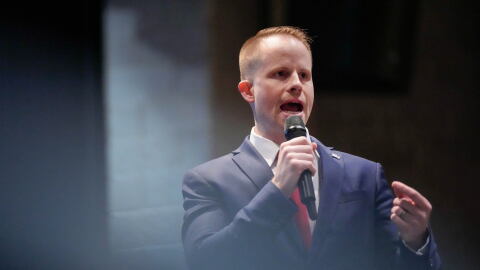 Rick Egan/The Salt Lake TribuneSalt Lake Tribune reporters talk about the week's news, including dropping birth rates among Latter-day Saints and state Rep. Trevor Lee being charged with four felonies related to fraud.


-
 Our hosts discuss China, Iran, Israel, critical midterm races to watch, and growing dissatisfaction with incumbent political leadership.
 -
Democrat Ben McAdams and Republican Riley Owen are running to represent the Salt Lake City area in the U.S. House of Representatives.
-
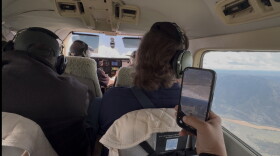 UPR reporters recently flew over the Dinosaur National Monument and John Wesley Powell National Conservation Area. The two areas are managed very differently.
 -
 Data center developers are reportedly eyeing federal land in at least six western states, including Utah. One such data center in Nevada has been temporarily halted after pushback from locals.
 -
 Incumbent Bryson Behm is seeking his first full term as county clerk against David Gillie, who continues to raise concerns about Utah’s elections.
 -
 Salt Lake Tribune reporters join us to discuss the week's top stories, including the possible future of the Sugar House pond and Idaho's Prop 1 abortion vote.
 -
 Cache County voters will head to the polls this fall to choose who will serve on the County Council. UPR spoke to the candidates competing for the council's third Logan seat.
 -
Our hosts sit down with Andrea Brandley, senior education analyst at the Kem C. Gardner Policy Institute, to discuss how Utah's education system compares and how to improve it.
-
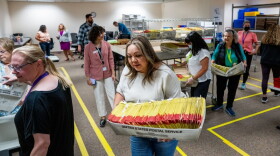 The Justice Department said the incident proves voting fraud is real and stricter regulations are needed. The suspect said he didn't have a political motive and just wanted to "lighten his workload."
 -
 The prominent activist and community organizer is running to be Cache County Council's first Latino member. If elected, she plans to center education and dialogue.


